

Reconnecting With Your Inner Child


We were all once children.
Children who played, learned, complained, cried, and existed in a world that was huge to the point of critical overwhelm.
At some point (perhaps adolescence, but often even earlier), we become embarrassed of the children we were. We let go of things that are perceived as childish.
We confine this creative, innocent, curious, and vulnerable part of ourselves to the inside. Maybe we bury it so deep that it feels like it’s not a part of us anymore.
When we deny our inner child, we blockade our inner playmate, our inner student, and our inner light. With no one to fill these important roles, human beings start to feel depressed, anxious, and hopeless.
But when the inner child is integrated and considered in our thoughts, feelings, and behaviors, they can guide us into the future with a healthy sense of childlike faith and wonder.
“In every adult there lurks a child—an eternal child, something that is always becoming, is never completed, and calls for unceasing care, attention, and education.”— Carl Jung, The Development of Personality
What Is Inner Child Work?
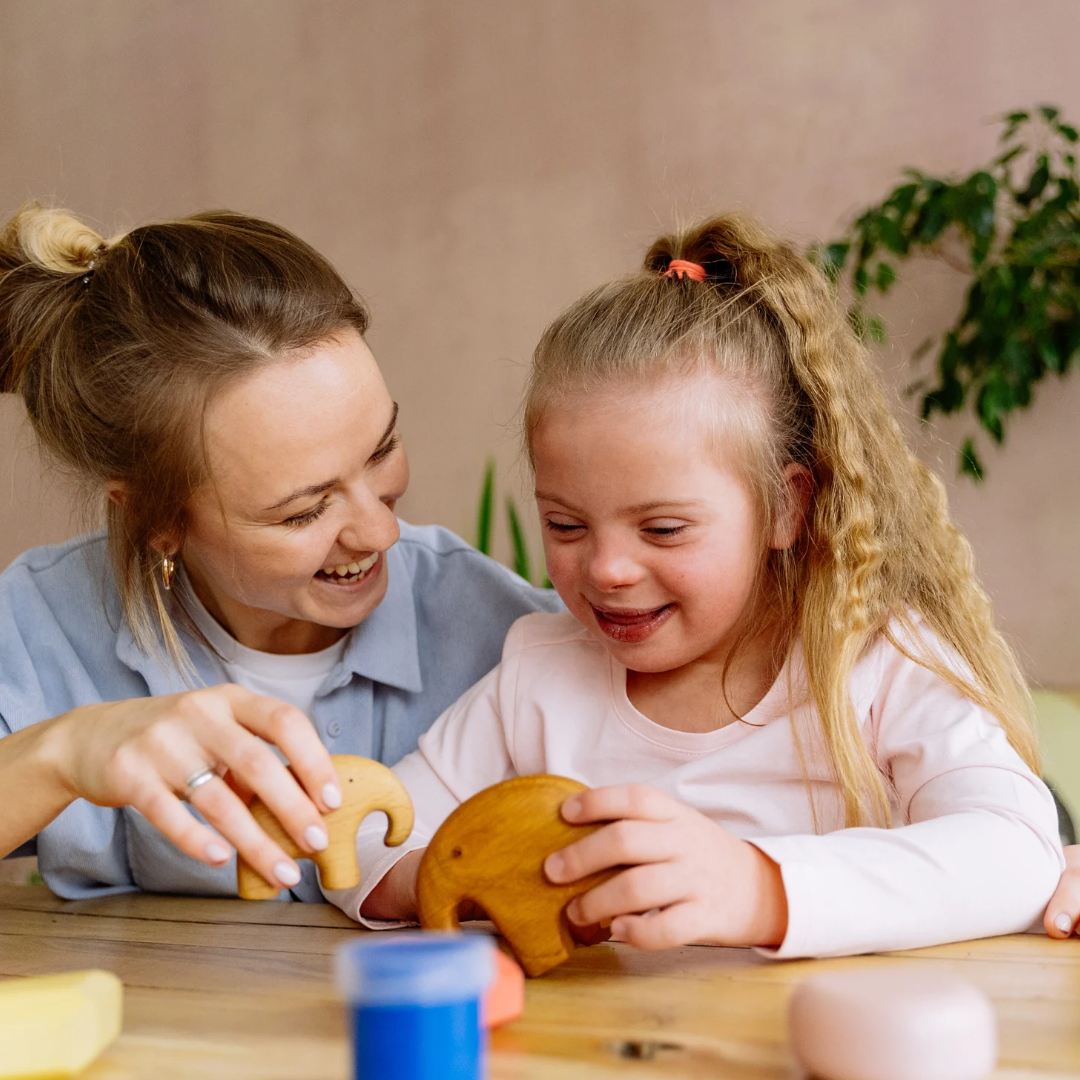
When we talk about inner child work in the context of therapy, we’re talking about how we come to accept the different disparate versions of ourselves scattered across time.
We might find it easy to accept one version of our inner child, and paralyzingly difficult to accept another. We might, for instance, have more compassion for the innocent toddler version of ourselves who didn’t know any better than the bumbling adolescent version of ourselves who could have.
We don’t need to hold our past selves responsible for the negative feelings we hold about the present. Although we might want to punish the child who made the decisions that brought us here, this child is only a hypothetical.
We can play prosecutor, gather all the evidence, and bring it before the judge, but the only defendant fit to stand trial is ourselves.
Why Do We Need To Heal Our Inner Child?
“Children. Nasty, filthy little things. Glad I never was one.” — Agatha Trunchbull, Matilda.
It seems ridiculous when it’s Principal Trunchbull saying it, but this is what we tell ourselves when we deny or ignore our inner child.
To deny your inner child is to deny your history. You were a child not that long ago. Scant and fast decades ago, you were in diapers.
This is not some shameful haircut, or regrettable era. When we do not accept our child selves, we are leaving a huge part of ourselves out to the wolves. This is not some wiry branch spun far from the tree, childhood is the tree trunk that would spread your arms far flung to wrap around it, and ignoring it is tantamount to ignoring the tree itself.
- Anxiety Relief. Children are often anxious. They accept responsibilities they can’t understand, and hold onto energies that are not meant to hold. When our inner child is calmed and accepted, they can let go of the anxiety that they’ve been holding onto since childhood.
- Depression Relief. When we have contempt for a past version of ourselves, we are experiencing self-hatred with extra steps. This is not a fact of life that we must radically accept, it is something tangible we are holding in our hands and can just as tangibly let go.
- Trauma Relief. Inner child work often finds root in the pain we endured in childhood. We learned to resent and deny our inner child as a response to events in our life, and when we untangle our complicated feelings in our past, we can walk free of the accompanying pain.
How Counseling Helps You Integrate Your Inner Child

If you’re looking in St. Petersburg for a way to do inner child work, working with the right counselor can make all the difference in the world.
Working with a therapist like the ones at Integrative Counsel can help you accept your inner child to become a more well-rounded adult. But what does that look like?
How Does A Therapist Help You Reparent?
Here is what therapist Alli Cravener has to say:
“Early childhood experiences can influence how we learn to care for ourselves as adults. The way we were disciplined, comforted, encouraged, and supported can shape how we respond to our own needs later in life. For example, if we grew up without consistent structure or guidance, we might struggle with self-discipline as adults. If our emotions were dismissed, we might have difficulty recognizing, validating, or expressing our feelings.
You can’t change how you were parented, but you can learn to reparent yourself.
Dr. Daniel Siegel discusses the 4 S’s of Secure Attachment: Safe, Seen, Soothed, and Secure. When children consistently feel safe, seen, and soothed by their caregivers, they develop a foundation of secure attachment. However, not everyone grows up with caregivers who consistently provide these experiences. That wasn’t your fault. As adults, we can begin to give ourselves some of what we may have missed by learning to create safety, acknowledge our experiences, and soothe ourselves when we’re overwhelmed. We can also build relationships with people who offer consistency, support, and emotional safety.
Consider these questions:
- Safe. Do you set boundaries, advocate for yourself, and protect yourself from situations that cause harm?
- Seen. Do you make space for your emotions, needs, and experiences without judging or dismissing them?
- Soothed. Do you have ways to comfort and regulate yourself when you’re overwhelmed, anxious, or upset?
- Secure. Do you trust yourself to make decisions, meet your needs, and seek support when you need it?”
How Does The Inner Child Help Us Enjoy Life?
“Our inner child is connected to our ability to experience joy, wonder, curiosity, playfulness, and spontaneity. It represents the parts of us that are naturally drawn to explore, create, have fun, and experience the world without constantly worrying about expectations or outcomes.
As adults, we can become so focused on responsibilities, productivity, and meeting expectations that we lose touch with these parts of ourselves. We may forget what we enjoy, dismiss our interests if they aren’t helping us meet our goals, or feel guilty when we’re not being productive.
Reconnecting with your inner child can help you make your life more fulfilling and playful. Be silly, try new things, and reconnect with the interests that you might be suppressing to meet expectations.
You might feel hesitant to be silly, playful, or spontaneous because some part of you believes that being a responsible adult means always being serious, productive, or in control. You may have learned to prioritize responsibilities at the expense of enjoyment. Your nervous system may even interpret letting your guard down as unsafe. But, being a responsible adult doesn’t mean you have to abandon your playful side.
You can take care of your responsibilities while still making room for silliness and creativity.” -Alli Cravener, RMHCI
If you’re feeling stuck on your healing journey, you don’t have to navigate it alone. Our intake specialist will take the time to understand your needs and connect you with a therapist who is the right fit. Schedule your free 15-minute consultation.
 Sunny Ebsary is an educator, multi-modal artist, and writer specializing in the intersection of myth and mental health. Sunny’s writing walks the line between poetic and logical, giving readers a chance to interface with the mind and imagination. Sunny’s been putting pen to paper since he was a child, writing everything from albums, novels, and plays, to essays, interactive games, and of course, many articles! While studying both psychology and writing, he realized his real passion in life was helping others unlock their creative spark. Whether he’s leading a D&D game, directing a production, or diving deep into the brain, you can be sure Sunny will be ushering you toward finding meaning in your life.
Click here to book a consultation call and start navigating your personal path to mental harmony with a therapist who gets you. Your journey, your pace, your story—let's unfold it together.
Let's keep the conversation going.
Feeling the spark to light up your wellness journey?