

Advice From a Therapist: Grieving a Pet

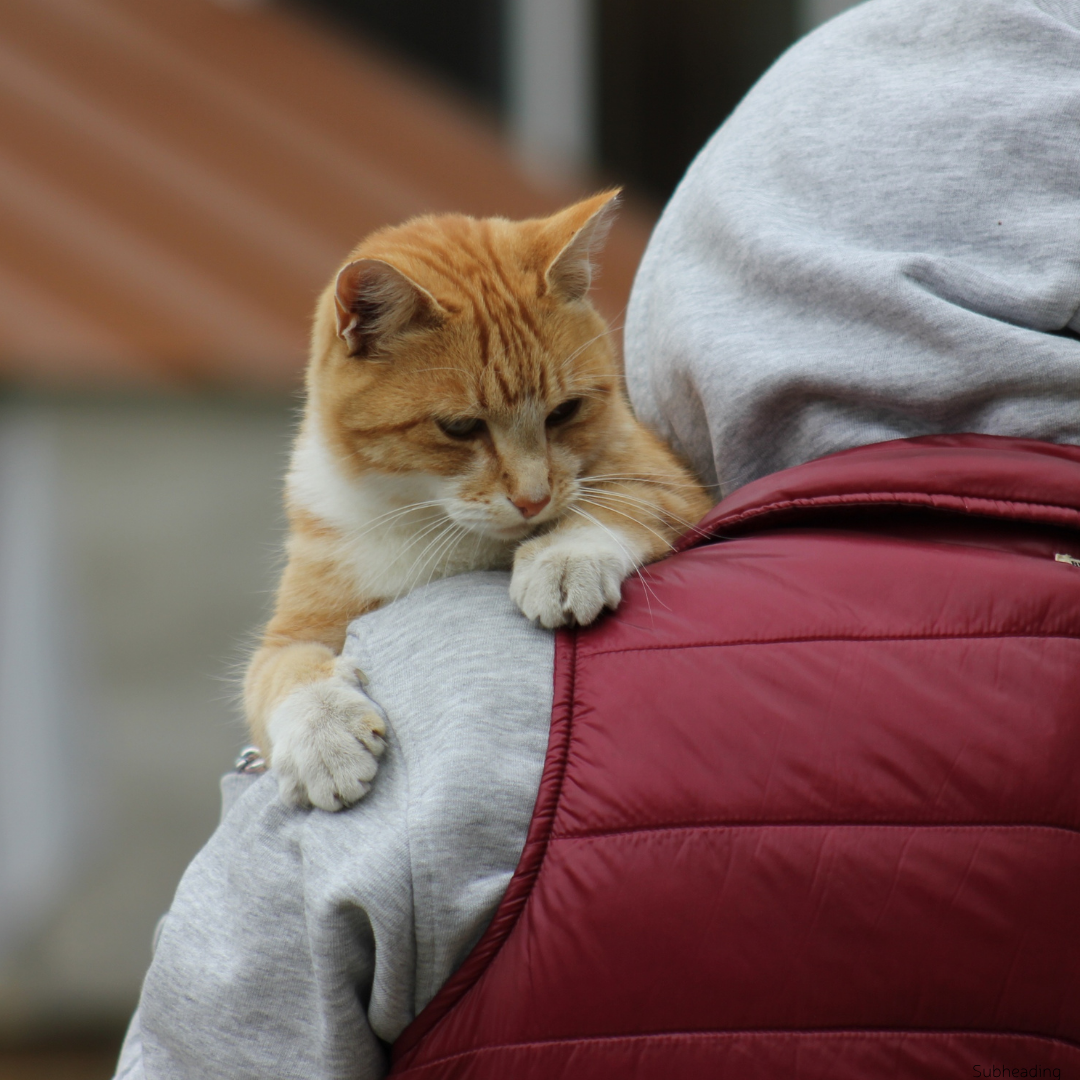
Our pets bring joy and responsibility into our lives, often when we need it the most. They greet us at the door, sit beside us in silence, and love us without condition or expectation. We come to rely on them in ways we don’t always fully understand… until they’re gone.
Our time together is beautiful, but transient. And when we have to say goodbye to a pet in our family, we experience something profound: all of our feelings about love, life, and death compressed into a single, overwhelming moment.
Learning how to say goodbye is sorrowful, challenging, but ultimately necessary if we want to work through our grief. Grief doesn’t follow a straight line, and the loss of an animal companion can be just as complex and disorienting as losing a person.
Unpacking that grief can feel messy and intimidating. You might feel guilt, sadness, anger, or even confusion about why it hurts so much. That’s why guidance (whether from others, from reflection, or from therapy) can be so important.
Let’s explore how we process this kind of grief, and how we can honor the creatures we love even after they’re gone.
Why Do Our Animal Companions Affect Us So Deeply?
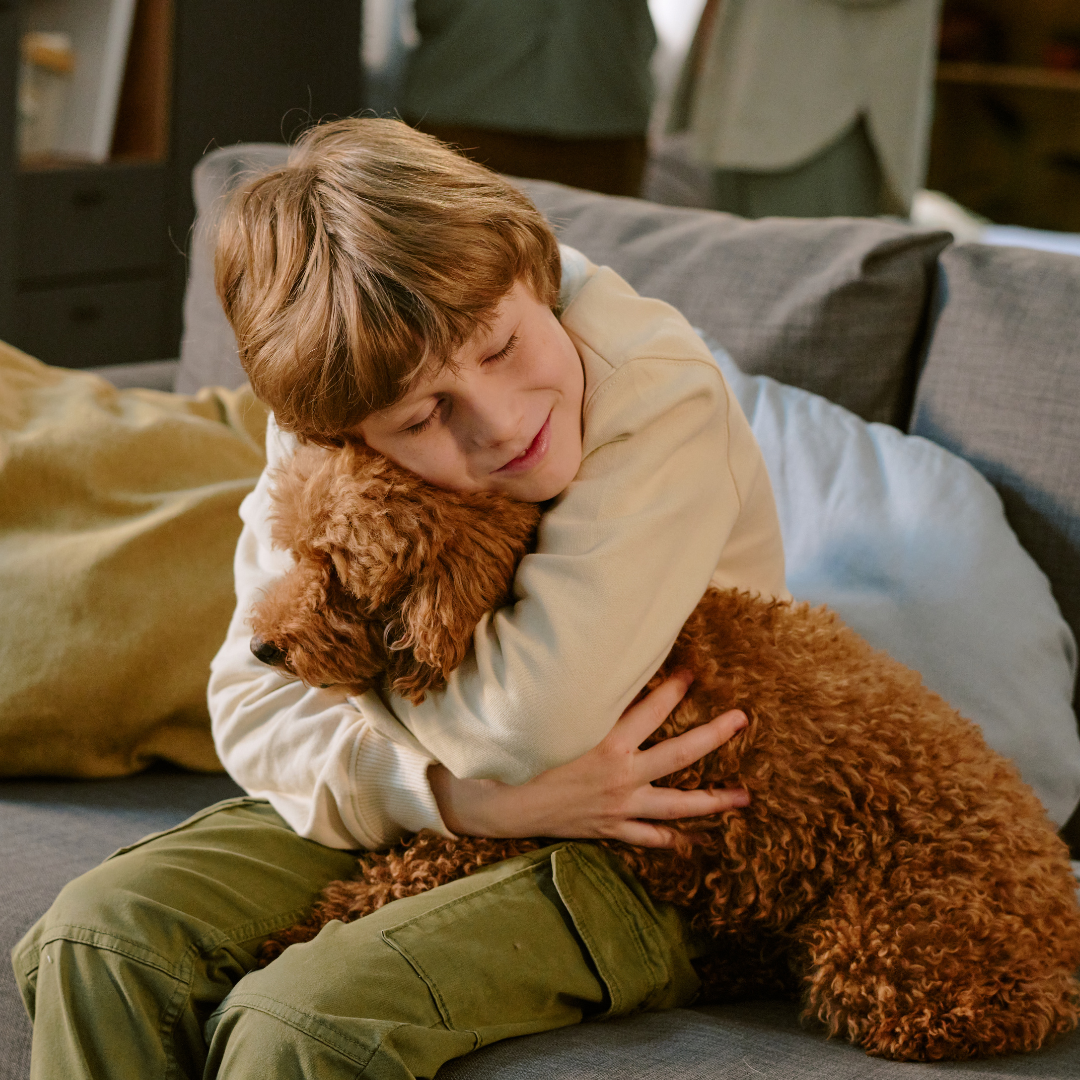
When we lose a pet, it’s more than just the loss of a friend. Our animal companions fill vital roles in our lives that are unique to them and hard to substitute in their absence. Part of processing your grief is recognizing the role that your animal played in your life.
- We are their caretaker. We feed them, protect them, and make decisions for their wellbeing. This creates a deep sense of responsibility and attachment. When they pass, it can leave behind not just sadness, but a feeling of purposelessness or guilt.
- We see the world through their eyes. Animals ground us in the present moment. Walks, playtime, and quiet companionship bring us into a simpler, more mindful way of living. Losing that perspective can make life feel duller or more distant.
- We can see the rich tapestry of life and death through them. For many of us, a pet’s life is our most intimate experience with birth, aging, illness, and death. Their passing forces us to confront the impermanence of life in a very direct and personal way.
Recognizing the many ways our animals impacted us can feel bittersweet. It’s harder to stomach the thought of the good stuff when it’s gone. We need to know what we’ve lost and why it’s worth mourning, so that one day we can meet those needs again.
Why Losing a Pet Hurts So Much
 Here’s what our counseling intern, Mandi Rogers, has to say about grieving a pet:
One of the most painful parts of losing a pet isn’t just the loss itself. It’s also the reaction from others. Comments like “it was just a cat” or “you can always get another dog” can make you feel like your grief is too much, or somehow inappropriate.
This experience has a name: disenfranchised grief, which refers to grief that isn’t fully seen, supported, or validated by the people around you.
The truth is, the relationship you had with your pet was real. For many people, pets are a source of daily comfort, routine, physical affection, and emotional safety. When that bond is gone, it’s not ‘just’ losing an animal. It’s losing a companion, a sense of normalcy, and a piece of your everyday life.
When others don’t understand, it can create a second layer of pain. Not only are you grieving, but you may also feel alone in that grief.
You are not overreacting.
This hurts, because they mattered.
You do not have to convince everyone around you to understand. In fact, trying to get validation from people who minimize your experience can leave you feeling worse. Instead, it can help to be selective and protective of your grief. That might look like:
- Choosing one or two safe people to open up to, rather than sharing with everyone.
- Being mindful of who you share your grief with, and prioritizing people who respond with care.
- Setting simple boundaries, like “I know it may not seem like a big deal, but it is to me”
There is no “right” way to grieve, and your process does not need to look a certain way. Some people cry often, while others feel numb. Some want to talk about their pet constantly, while others avoid it. You might find yourself expecting to hear them, reaching for them out of habit, or feeling the weight of the empty space they used to fill. These are all normal responses to loss.
Seeking support through therapy or grief groups can be helpful, but there are many ways to process a loss. Many people find comfort in small, personal rituals, such as writing a letter to their pet, keeping a favorite toy or collar in a special place, looking through photos, or even talking to them out loud. These are not silly. They are meaningful ways of honoring a bond that mattered.
Grief that is not acknowledged by others can make you feel like you need to rush through it or keep it hidden. Healing doesn’t come from minimizing your loss; it comes from allowing it to be real. It’s okay to feel this deeply. You are responding to a meaningful attachment, and that deserves space.
What Are The Most Effective Depression Treatments When Mourning A Pet?
Grief and depression can overlap, especially when the loss feels all-consuming. While there’s no quick fix, there are gentle and effective ways to support yourself through this process:
- Recognize What They Meant To You. Give yourself permission to fully acknowledge the depth of your relationship. Write about them, talk about them, or reflect on the routines and emotions you shared. Naming your loss helps validate your experience and reduces internal confusion.
- Comfortably Honor Their Memory. It can sometimes feel painful to remember someone who’s passed on. We might see our animal’s favorite toy, location, or behavior well after they’ve passed away, and our gut reaction might be to turn away from this feeling, but the path to acceptance lies straight ahead. If you do the hard work of grieving, there will be a day when these reminders of the departed will be a comfort and not a trigger. When you sort through the complicated emotions we feel around death, you can honor and protect the sacred joy we share in life.
- Keep Loving Animals (When You’re Ready). This doesn’t mean replacing your pet. It means recognizing that your capacity to love animals didn’t disappear with them. You didn’t get a pet just because you wanted something to rely on you, it was a decision that served you practically, emotionally, and logically. When we say goodbye to a pet, we don’t say goodbye to the needs that were being served by them. Whether it’s through volunteering, fostering, or eventually adopting again, continuing that connection can be healing.
Can Grief Therapy Help You Mourn An Animal Companion?

Yes. Grief therapists are trained to help you process complex emotional experiences with insight and understanding.
Grief therapy can help you make sense of the senseless, and learn the answers to your hardest questions like…
- Why We Struggle To Process The Change. Therapy helps you understand why this kind of loss can feel so disorienting, even if others don’t always recognize its depth.
- When And What To Accept. Acceptance doesn’t mean forgetting or “getting over it.” It means learning how to live with the reality of the loss while still honoring the bond you shared. A therapist can help you move at your own pace, without forcing closure before you’re ready.
- How To Move Forward And Find Depression Relief. Grief can weigh heavily on your mood, energy, and motivation. Therapy offers practical tools to help you re-engage with life, care for yourself, and gradually rediscover meaning.
When Do I Need Grief Therapy For Pet Loss?

How much does it have to impact your life before you start considering therapy? It’s a complicated question, but it’s one we have to answer when we’re considering therapy.
- You’re struggling to complete your responsibilities at work or home.
- Your appetite has significantly changed or disappeared.
- Your sleep is disrupted by insomnia, oversleeping, or persistent nightmares
- Daily tasks like showering, brushing your teeth, or doing dishes feel overwhelming.
- You feel stuck in guilt, regret, or unanswered questions about your pet’s passing.
- Your sadness feels constant, heavy, or isn’t easing with time.
- You feel isolated or misunderstood in your grief.
Grieving a pet is a reflection of love, not weakness. The pain you feel is directly connected to the bond you shared. While that bond changes after loss, it doesn’t disappear.
Saying goodbye is one of the hardest parts of loving an animal. They enter your life, they forever change it, and then they leave as soon as they come. We cannot hold onto them forever, but we can witness the ways that they changed and continue to change us.
And in that sense, the ones worth grieving can always be with us.
If you are currently grieving a loss, you don’t have to navigate it alone. Our intake specialist will take the time to understand your needs and connect you with a therapist who is the right fit. Schedule your free 15-minute consultation.

Sunny Ebsary is an educator, multi-modal artist, and writer specializing in the intersection of myth and mental health. Sunny’s writing walks the line between poetic and logical, giving readers a chance to interface with the mind and imagination. Sunny’s been putting pen to paper since he was a child, writing everything from albums, novels, and plays, to essays, interactive games, and of course, many articles! While studying both psychology and writing, he realized his real passion in life was helping others unlock their creative spark. Whether he’s leading a D&D game, directing a production, or diving deep into the brain, you can be sure Sunny will be ushering you toward finding meaning in your life.
Click here to book a consultation call and start navigating your personal path to mental harmony with a therapist who gets you. Your journey, your pace, your story—let's unfold it together.
Let's keep the conversation going.
Feeling the spark to light up your wellness journey?