
Fight, Freeze, Fawn, Fly: An Introduction

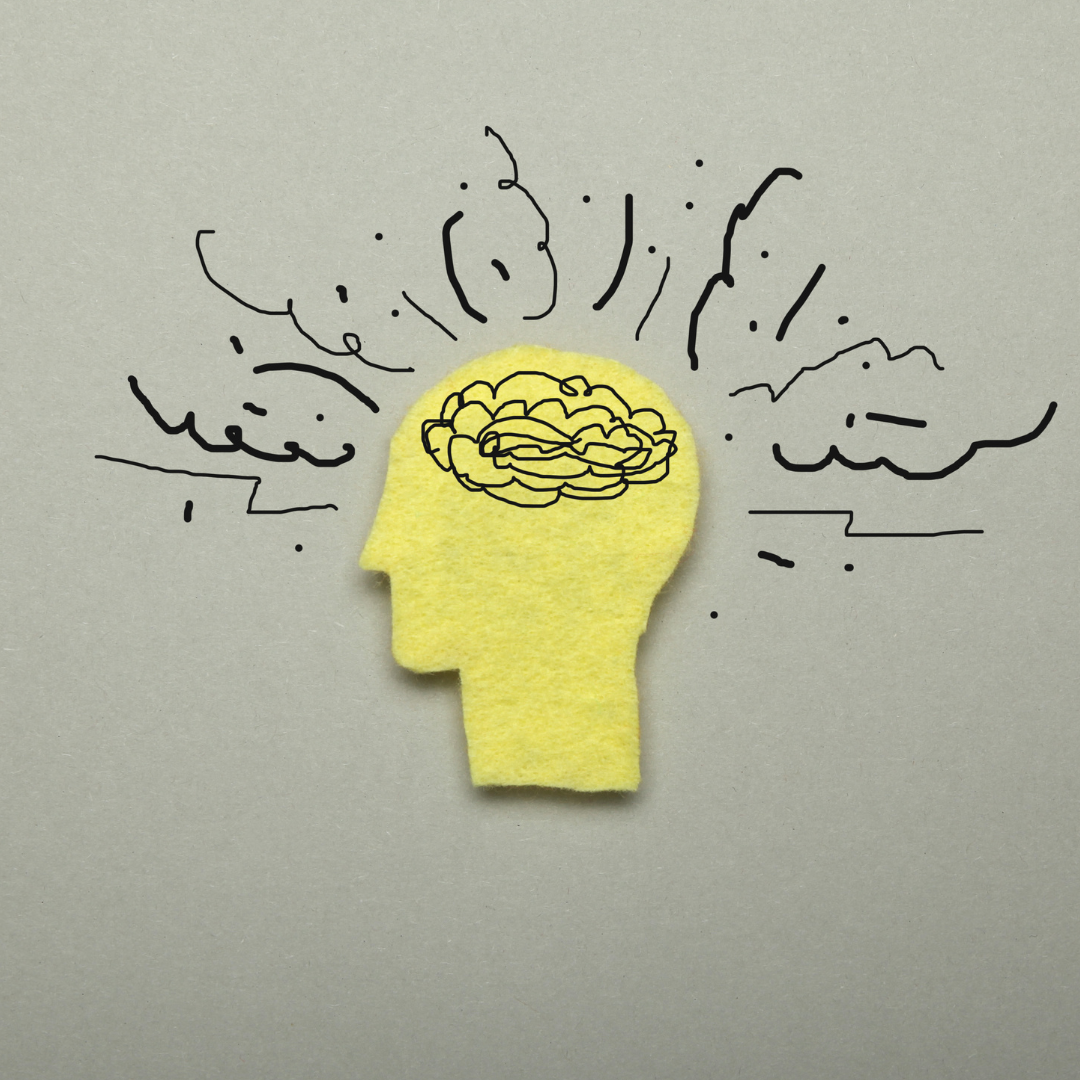
When the mind experiences something, the body responds. Sometimes without the mind’s input or consent. When a doctor taps our knee with a reflex hammer, our leg kicks involuntarily. We don’t have to decide to move. Our nervous system receives information, processes it, and creates a physical response.
Stress works in much the same way. When the nervous system perceives a threat, it can mobilize the body before we have consciously decided whether we are actually in danger.
This can be helpful when we’re stepping out into traffic and need to move quickly. But our nervous systems don’t only respond to physical danger. They can also respond to conflict, uncertainty, rejection, memories, work stress, relationship difficulties, or other experiences that feel threatening.
It’s not something we can always consciously control. It’s something we can understand. We didn’t choose to be traumatized, but we can choose every day to heal.
“The body is our anchorage in the world.”— Maurice Merleau-Ponty
How Does The Body Respond To Stressful Stimuli?

The autonomic nervous system helps regulate many functions that happen automatically, including heart rate, breathing, digestion, and arousal. When we encounter stress, our bodies can move into different patterns of activation or conservation.
Parasympathetic: Rest and Digest
The parasympathetic nervous system is generally associated with rest, digestion, recovery, and conservation of energy. When we feel relatively safe and regulated, we have greater capacity to think, connect with other people, reflect on our choices, and respond rather than simply react.
This is an important state to cultivate, but being regulated does not mean being calm every moment of the day. A healthy nervous system is flexible. It can become activated when something requires our attention and return toward regulation when the threat has passed.
Therapy can sometimes help people develop greater awareness of these shifts and identify ways of responding to stress that feel more consistent with their values and goals.
Sympathetic: Fight or Flight
The sympathetic nervous system helps prepare the body for action. Heart rate can increase, breathing can change, muscles can tense, and attention can become focused on whatever the nervous system interprets as threatening.
This is the familiar fight-or-flight response.
Sympathetic activation isn’t inherently bad. In an emergency, the additional energy and heightened attention it provides can be enormously useful. The difficulty comes when the body reacts to situations that are emotionally threatening as though immediate physical action is required.
Freeze: Inhibition and Immobility
Some stressful situations don’t produce an obvious urge to fight or run. Instead, a person may feel stuck.
They may struggle to speak, make decisions, move forward, or determine what they want. This experience is often described as a freeze response.
Freeze is sometimes discussed alongside both fight-or-flight activation and shutdown. The underlying physiology is more complicated than a simple four-part system, and contemporary discussions of the autonomic nervous system do not necessarily divide human responses into neat categories.
Still, the concept can be useful as a way of describing an experience many people recognize:
I knew I needed to do something, but I couldn’t make myself do it.
Why Does My Nervous System Go Into Fight or Flight?
“In sympathetic activation, we are alerted to real or perceived threats. We become flooded with excess energy in the body from stress hormones that are quite useful if we are about to get hit by a car, but not so useful when lying in bed watching the news, trying to talk to a friend, or receiving a work email. We lose access to parts of our prefrontal cortex that hold our goals, values, how we want to show up, and how we treat people, causing us to act out aggressively or avoidantly in ways we later regret. Depending on the level of stress hormones, this can create shallow breathing to the point of panic attacks, rapid heart rate, tunnel vision, racing thoughts, fast speech, and even missing words from sentences.” — Lauren Mishkin, LMHC
There are a few ways to understand what might be happening:
- Your body thinks you’re in danger.
- Your body wants to help you react quickly.
- Your body may have learned that being angry, scared, vigilant, or ready to run has helped you stay safe before.
This is one reason that knowing something intellectually doesn’t always make the physical reaction disappear.
You might know that your partner isn’t going to abandon you, but still feel your stomach drop when they don’t text back.
You might know that your boss’s email isn’t an emergency, but still feel your heart begin to race when you see the notification.
You might know that you’re safe in your home while your body remains tense and watchful.
The nervous system does not always respond to what we know. It responds to what it perceives.
Why Do People Freeze In Stressful Situations?

“Freeze is an adaptive response/hybrid state between Fight/Flight and Dorsal Vagal Collapse. Freeze is more of a defensive state where the body is still flooded with excess energy/stress hormones but is paradoxically inhibited from moving forward out of fear of making a fatal mistake. This is an inhibited motor state often activated when the Prefrontal Cortex can no longer effectively predict outcomes; it begins to shut down, attempting to maintain some form of control amid uncertainty.”— Lauren Mishkin, LMHC
Freeze can feel confusing because it may look like doing nothing when, internally, an enormous amount is happening.
- Your body perceives an unmanageable threat.
- Your body doesn’t know which action will make things better.
- Your body may temporarily inhibit action while it tries to determine what is safe.
This can happen during conflict, after receiving unexpected news, when making a major decision, or in situations that remind us of previous experiences.
Sometimes, the result is procrastination.
Sometimes, we go on complete auto-pilot.
Sometimes, we shut down entirely.
Will We Shut Down If We Don’t Treat Our Nervous System Response?
“If the Freeze state persists too long, the autonomic nervous system will shift into Dorsal Vagal Collapse: a protective strategy to minimize pain and manage overwhelm. This is where grief and depression often live. It is the place of hopelessness, giving up, withdrawal of effort, shutting down, and feeling oh so tired. This would be playing dead or hiding in nature.”— Lauren Mishkin, LMHC
Relying on a shutdown response to manage overwhelming circumstances is a little like embarking on a cross-country road trip with the check-engine light on.
The check engine light is not the problem.
It is trying to tell you what the real problem is.
- If we ignore the messages of the body, our mind will suffer.
- If we ignore the messages of the body, our body will collapse.
- If we ignore the messages of the body, we will not learn the lesson our body is here to teach us.
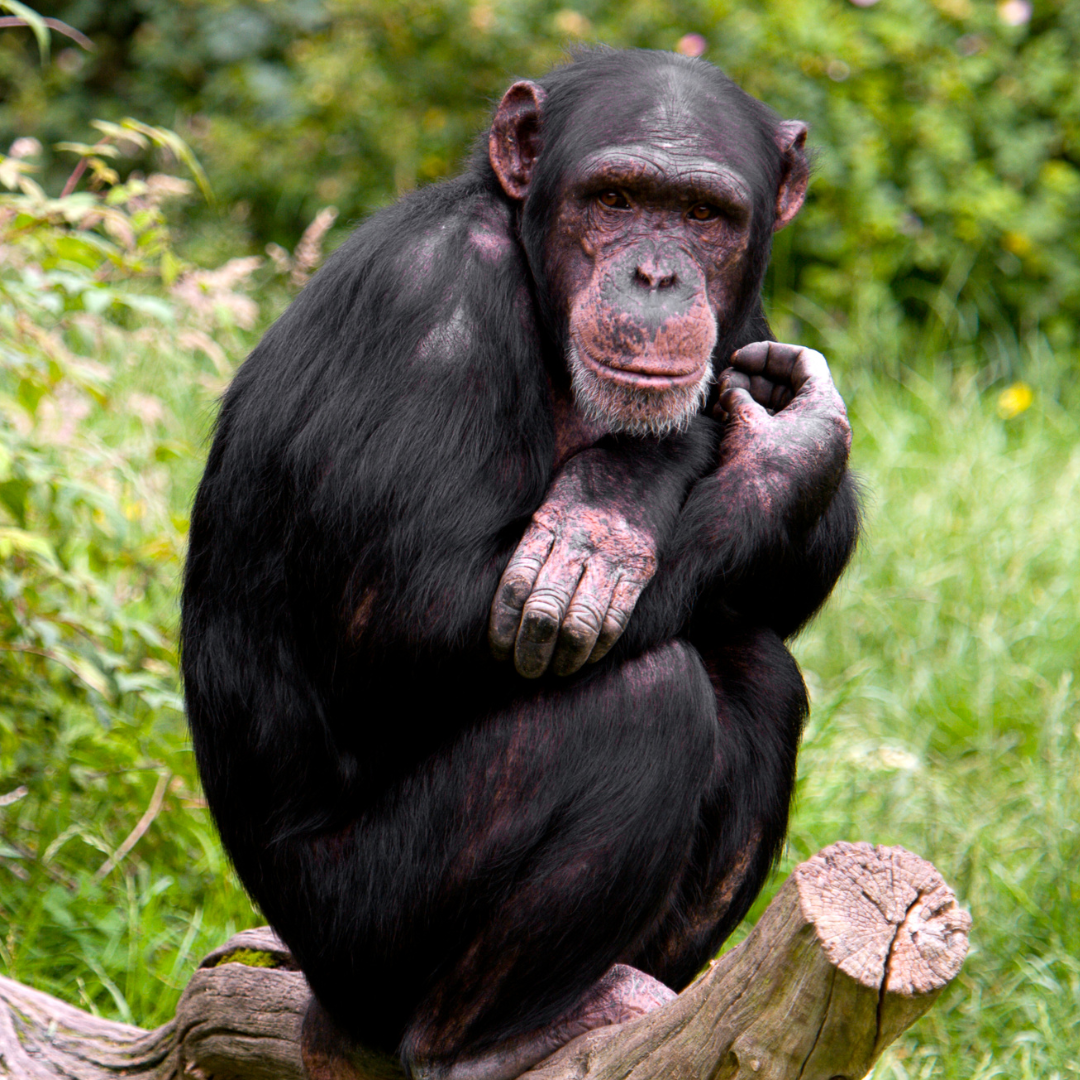
You have the body of an animal. A bipedal chimp with a brain bigger than its hips, and a nervous system even bigger than that.
Your options are vast.
Your scope is limited.
Your consciousness is the caretaker for your animal body. It is your job as a thinking animal to listen to your own body and do what is best for it. When we really tune in to what our body is saying, we find the instructions to our own healing.
What Is The Fawn Response And Why Is It Controversial?
The fawn response is a term commonly used in trauma discussions to describe appeasing, accommodating, or excessively pleasing others in response to perceived threat.
It is also the most controversial response on this list.
Unlike the sympathetic nervous system’s role in fight-or-flight, “fawn” is not an established autonomic nervous-system state in the same way. It is better understood as a framework for describing a pattern of behavior that can occur when someone feels unsafe, powerless, or highly dependent on another person’s reactions.
“The debated Fawn nervous system response is a blended Hybrid response where both the sympathetic and parasympathetic branches of our nervous system can be active at the same time. In the fawn nervous system response, one is hyper-aroused, hyper-aware, and hypervigilant to the slightest shifts in others’ mood, body language, tone, and microexpressions; yet shut down/numb to the self. In a tribal situation (what our nervous systems are adapted for), if a warring tribe came and you unsuccessfully tried to run, fight back, hide, and play dead, then the final response would naturally be to say and/or do anything to save one’s family and/or oneself.”— Lauren Mishkin
Can Therapy Help With Nervous System Responses?
Therapy cannot and should not eliminate the body’s natural stress response. Instead, therapy can provide a space to explore what happens when you become activated, what circumstances tend to trigger those responses, and how those patterns affect your relationships, work, decisions, and sense of self.
A therapist may help you develop greater awareness of physical sensations and emotional patterns while exploring coping strategies that can help you respond to stressful situations differently.
Different approaches may be appropriate for different people. Trauma-informed therapy, somatic approaches, cognitive and behavioral therapies, EMDR, art therapy, and other forms of counseling may offer different ways of understanding and working with difficult experiences.
For someone looking for therapy in St. Petersburg, FL, the therapists at Integrative Counsel can help explore which therapeutic approach may be appropriate for their individual circumstances. Treatment should be collaborative and individualized rather than based on a single nervous-system framework.
If you’re feeling stuck on your healing journey, you don’t have to navigate it alone. Our intake specialist will take the time to understand your needs and connect you with a therapist who is the right fit. Schedule your free 15-minute consultation.
 Sunny Ebsary is an educator, multi-modal artist, and writer specializing in the intersection of myth and mental health. Sunny’s writing walks the line between poetic and logical, giving readers a chance to interface with the mind and imagination. Sunny’s been putting pen to paper since he was a child, writing everything from albums, novels, and plays, to essays, interactive games, and of course, many articles! While studying both psychology and writing, he realized his real passion in life was helping others unlock their creative spark. Whether he’s leading a D&D game, directing a production, or diving deep into the brain, you can be sure Sunny will be ushering you toward finding meaning in your life.
Click here to book a consultation call and start navigating your personal path to mental harmony with a therapist who gets you. Your journey, your pace, your story—let's unfold it together.
Let's keep the conversation going.
Feeling the spark to light up your wellness journey?